

الكاتب العالمي لسيد لي يونغ-ها من كوريا الجنوبية يكتب : قصيدة المد والجزر وقصيدة رسالة تكتب على نهر الهان وقصيدة أنشودة هونمينجونغوم المنقوشة على الريح باحساسه عن بلده بحب..ترجمة م.فدوى عطية
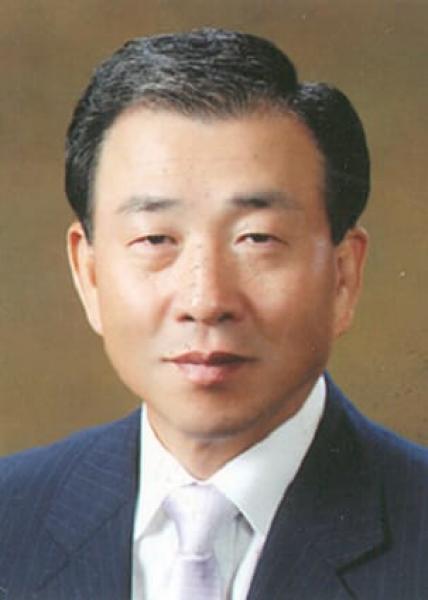

- الشاعر السيد لي يونغ-ها
-
- السيرة الذاتية :
الشاعر والسفير السابق السيد لي يونغ-ها هو شخصية أدبية بارزة، بدأ مسيرته الأدبية عام 2010 من خلال مجلة «الربيع والخريف الأدبي» (Munye Chunchu)، ويشغل حاليًا منصب محرر في المجلة نفسها. وقد كرّس جهوده بنشاط لتعزيز السلام وإعادة التوحيد من خلال الأدب، إلى جانب دعم التبادل الأدبي الدولي، إذ يشغل منصب نائب رئيس الجمعية الكورية لكتّاب التوحيد، وعضوًا في القلم الكوري (PEN Korea)، وعضوًا في جمعية شعراء جيونج جي، وعضوًا في اللجنة التنفيذية للجنة جيونج جي الإقليمية التابعة لـPEN.
تخرّج في أكاديمية القوات الجوية، وعمل طيارًا مقاتلًا، ثم تقاعد برتبة فريق في القوات الجوية لجمهورية كوريا، بعد أن حقق نحو 2300 ساعة طيران. وشغل منصب نائب رئيس أركان القوات الجوية، وأسهم في تطوير الاستراتيجيات والسياسات الخاصة بالقوات الجوية، كما أدى دورًا مهمًا في تعزيز الدفاع الوطني وتطوير القوات الجوية من خلال قيادته المتميزة في مجال الدفاع الجوي ومواقع القيادة العسكرية.
وبعد تقاعده من الخدمة العسكرية، عُيّن سفيرًا فوق العادة ومفوضًا لجمهورية كوريا لدى لبنان، ممثلًا بلاده على الساحة الدبلوماسية الدولية. وتقديرًا لخدمته المتميزة وإسهاماته، منحته الحكومة اللبنانية الوسام الوطني للاستحقاق اللبناني.
واستنادًا إلى التأملات العميقة التي تراكمت لديه خلال عقود من الخبرة العسكرية والدبلوماسية، واصل في أعماله الأدبية استكشاف موضوعات كرامة الإنسان، والقيم الإنسانية، والانقسام، والمصالحة، والسلام.
وقد حصل، تقديرًا لإنجازاته الأدبية، على العديد من الجوائز الأدبية المرموقة، من بينها:
الجائزة الأولى للأدب في التطلع إلى التوحيد.
جائزة هوانغ هوي رئيس الوزراء للآداب والفنون.
الجائزة الكبرى لجائزة كوريو الأدبية، إلى جانب الدكتوراه الفخرية في الآداب.
جائزة جيونج جي الأدبية التابعة لـPEN – جائزة العمل الأدبي.
الجائزة الخاصة للإبداع في جائزة الأدب الكوري.
الجائزة الخاصة للعمل الأدبي في جائزة هان يونغ-أون الأدبية.
جائزة يون دونغ-جو ستار الأدبية.
الجائزة الأدبية بمناسبة الذكرى الخمسين للعلاقات الدبلوماسية بين كوريا وسنغافورة.
ويشغل حاليًا منصب الرئيس العاشر للجمعية الكورية للأدب العالمي، حيث يكرّس جهوده لتعزيز التبادل والتعاون والتفاهم المتبادل بين الأدب الكوري وآداب العالم.
...............
القصائد الثلاث :
١-المد والجزر
يقترب المد ببطء،
ويحتضن رمال الشاطئ برفق.
وتأتي الأمواج في هدوء، كأنها تهمس،
تحكي قصصًا خفية بين شقوق الصخور،
ويكشف البحر الداكن عن عمقه،
مستعدًا للقاء جديد مع العالم.
أما الجزر، فينسحب عائدًا إلى البحر،
كاشفًا عن الأرض التي كان يخفيها.
آثار الأقدام التي تركت على الرمال،
والعلامات الباقية حيث اجتاحت المياه المكان،
تظل محفوظة كشيء ثمين،
مثل الآثار التي تتركها حياة الإنسان.
وبانسحابه، يفسح الجزر المجال
ليعود المد من جديد.
هكذا يمضي العالم بين دفع وجذب،
يحترم كل طرف مكان الآخر.
فالمد يملأ، والجزر يفرغ،
ومن خلالهما نتعلم درس
الدورات التي لا تنتهي.
رقصة البحر، التي تتكرر مرة بعد مرة
فوق المسرح ذاته،
تتنفس إيقاع الحياة الذي لا يتوقف.
وفي التناغم الهادئ الذي يصنعه المد والجزر،
وعند نقطة التقائهما،
ندرك:
لا بد أن يمتلئ الشيء حتى يمكن أن يُفرَّغ،
ولا بد أن يُفرَّغ حتى يمكن أن يمتلئ من جديد.
وحين ينسج السماء والبحر والأرض
لحنًا واحدًا،
وتتوافق جميعها مع إيقاع المد والجزر،
نرى في ذلك
الحقيقة الجميلة للحياة.
.....................
٢-رسالة تُكتب على نهر الهان
يحمل النهر في تياراته
حزن أرضٍ مقسمة،
وليالي الحرب التي لا تنتهي،
وفجر السلام.
وكما يشتاق نهر الهان الجنوبي إلى الشمال،
يميل نهر الهان الشمالي بجسده نحو الجنوب.
ورغم أنهما يجريان في مجريين منفصلين،
فإنهما مقدَّران في النهاية
أن يلتقيا في نهر واحد.
وكلما تلألأت أضواء سيول،
يسأل النهر:
«أما زلتم لم تفقدوا حلمكم؟»
واليوم، أقف مرة أخرى على ضفاف النهر،
وأعيد كتابة المبادئ
التي ضاعت ذات يوم.
كلمة واحدة أودعها بين يدي التيار،
هي صلاتي.
يمضي نهر الهان اليوم أيضًا
في هدوء ووقار،
ويغسل قلب هذه الأمة ويجدده.
ليس الماء وحده هو الذي يجري،
بل زمن الأمل الذي لا ينقطع.
.............
٣-أنشودة هونمينجونغوم المنقوشة على الريح
حين نفخت الريح الحروف إلى العالم للمرة الأولى،
لامست شفاه الناس لغة السماء.
كان الحب يسكن في كل صوت،
وكانت الدموع تستقر في كل حرف مكتوب.
حين استعاد شعبٌ أسكته الظلام
صوته من جديد،
أصبح طرف قلم الملك سيجونغ
نَفَسَ النجوم.
كانت معجزة
أن يستطيع حتى الفقير
أن يحتضن بين يديه سطرًا واحدًا من الشعر.
تلك المعجزة كانت هونمينجونغوم.
واليوم، بهذه الحروف،
نكتب عن الحب،
ونمنح الحرية صوتًا.
ومهما مرّت السنوات،
فإن الريح لا تنسى
أن كلمات الشعب
هي النور الحقيقي لأرواحهم.
ولا تزال الأنشودة
التي حملتها الريح في ذلك اليوم الأول
حية في قلوبنا،
تُتلى بالحب،
ومنقوشة بحروف السماء.
.............
The internationally acclaimed Korean poet, writer, and Ambassador, Mr. Lee Young-ha of South Korea, writes three poems: “High Tide and Low Tide,” “A Letter Written on the Han River,” and “The Song of Hunminjeongeum, Inscribed upon the Wind.”
Through these three poems, he expresses his deep feelings for his homeland, conveying his love for Korea and his profound reflections on life, peace, unity, and hope.
Translated by Eng. Fadwa Attia – Egypt.
......
Poet Mr. Lee Young-ha
Biography :
Poet and former Ambassador Mr. Lee Young-ha is a literary figure who made his literary debut in 2010 through Literary Spring and Autumn (Munye Chunchu) and currently serves as an editor of the same magazine. He has been actively dedicated to promoting peace and reunification through literature, as well as fostering international literary exchange, serving as Vice President of the Korean Association of Unification Writers, a member of PEN Korea, a member of the Gyeonggi Poets’ Association, and an executive committee member of the Gyeonggi PEN Regional Committee.
A graduate of the Air Force Academy, he is a former combat pilot and a retired Lieutenant General of the Republic of Korea Air Force, with approximately 2,300 flight hours. He served as Vice Chief of Staff of the Air Force, contributing to the advancement of air force strategy and policy, and played a significant role in strengthening national defense and developing the Air Force through distinguished leadership in airspace defense and command positions.
After retiring from military service, he was appointed Ambassador Extraordinary and Plenipotentiary of the Republic of Korea to Lebanon, representing his country on the international diplomatic stage. In recognition of his distinguished service and contributions, he was awarded the Lebanese National Order of Merit by the Lebanese government. Drawing upon profound reflections accumulated through decades of military and diplomatic experience, he has continuously explored in his literary works such themes as human dignity, humanitarian values, division, reconciliation, and peace.
In recognition of his literary achievements, he has received numerous prestigious awards, including the First Unification Aspiration Literary Award, the Hwang Hui Prime Minister Literary and Arts Award, the Grand Prize of the Goryeo Literary Award along with an Honorary Doctorate of Literature, the Gyeonggi PEN Literary Award (Work Award), the Special Creative Award of the Korean Literature Award, the Special Work Award of the Han Yong-un Literary Award, the Yun Dong-ju Star Literary Award, and the Literary Award commemorating the 50th Anniversary of Diplomatic Relations between Korea and Singapore.
He currently serves as the 10th President of the Korean Association of World Literature, where he is dedicated to promoting exchange, cooperation, and mutual understanding between Korean literature and world literature.
...........
The poems :
High Tide and Low Tide
The high tide approaches slowly,
gently embracing the sand along the shore.
The waves come quietly, as if whispering,
telling stories hidden in the crevices of the rocks,
and the darkened sea reveals its depth,
preparing for a new encounter with the world.
The low tide withdraws back into the sea,
revealing the land it had kept concealed.
Footprints left upon the sand,
the traces remaining where the water has swept through,
are preserved as something precious,
like the marks left by a human life.
By retreating, the low tide makes space
for the high tide to return once more.
Thus the world moves by pushing and pulling,
respecting each other’s place.
The high tide fills, the low tide empties,
and within this we learn the lesson of endless cycles.
The sea’s dance, repeated again and again
upon the same stage,
breathes with the unceasing rhythm of life.
In the quiet harmony shaped by high tide and low tide,
at the point where the two intersect,
we come to understand:
One must be full in order to be emptied,
and emptied in order to be filled again.
When sky, sea, and land are woven into a single melody
and keep time with the tides,
we behold within it
the beautiful truth of life.
밀물과 썰물
밀물은 천천히 다가와
바닷가의 모래를 부드럽게 감싸 안는다.
파도는 속삭이듯 조용히 다가와
바위틈에 숨은 이야기를 들려주고,
짙은 바다는 그 깊이를 드러내며
세상과의 새로운 만남을 준비한다.
썰물은 다시 바다로 물러가며 감춰둔 땅을 드러낸다.
모래 위에 남겨진 발자국들,
바닷물이 휩쓸고 간 자리에 남은 흔적들은
마치 인생의 흔적처럼 소중히 남겨져 있다.
썰물은 돌아섬으로써 밀물이 다시 다가올 자리를 내어준다.
세상은 그렇게 밀고 당기며, 서로의 자리를 존중한다.
밀물은 가득 채우고 썰물은 비워내며
우리는 그 안에서 끊임없는 순환을 배운다.
언제나 같은 자리에서 반복되는 바다의 춤,
그 안에는 끝없이 이어지는 삶의 리듬이 숨 쉬고 있다.
밀물과 썰물이 만들어내는 고요한 조화,
이 둘의 교차점에서 우리는 깨닫는다.
가득 차야 비워지고, 비워져야 다시 채워진다는 것을.
하늘과 바다, 그리고 땅이 하나의 선율로 엮여
밀물과 썰물의 시간을 맞이할 때,
우리는 그 속에서 인생의 아름다운 진리를 보게 된다.
............
A Letter Written on the Han River
The river carries within its currents
the sorrow of a divided land, the endless nights of war, and the dawn of peace.
As the South Han River longs for the North,
the North Han River inclines its body toward the South.
Though they flow as separate streams,
they are destined, in the end, to meet within a single river.
Whenever the lights of Seoul shimmer,
the river asks:
"Have you still not lost your dream?"
Today, once again, I stand by the river,
rewriting the ideals that were once lost.
A single word entrusted to the current—
that is my prayer.
The Han River flows in quiet dignity,
renewing the heart of this nation.
It is not water alone that flows,
but the everlasting tide of hope.
한강에서 쓰는 편지
강물은 기억한다.
분단의 상처, 전쟁의 밤, 그리고 평화의 새벽을.
남한강이 북녘을 그리워하듯
북한강은 남쪽으로 몸을 기울인다.
서로 다른 길을 흘러도
결국은 하나의 강으로 만나는 법.
서울의 불빛이 반짝일 때마다
강물은 묻는다.
“너희는 아직 꿈을 잃지 않았는가?”
나는 오늘도 그 강가에서
잃어버린 이상을 다시 적는다.
물결에 실려 가는 글자 하나,
그것이 나의 기도다.
한강은 오늘도 조용히 흐르며
이 나라의 심장을 씻는다.
흐르는 것은 물이 아니라
끊임없는 희망의 세월이다.
.....................
The Song of Hunminjeongeum, Inscribed upon the Wind
When the wind first breathed letters into the world,
the lips of the people touched the language of the heavens.
Love dwelt within every sound,
and tears lingered in every written sign.
When a people, silenced by darkness,
found their voices once again,
the tip of King Sejong's brush
became the breath of the stars.
It was a miracle
that even the poor could cradle
a single line of poetry in their hands.
That miracle was Hunminjeongeum.
Today, with those letters,
we write of love
and give voice to freedom.
Though the years may pass,
the wind never forgets
that the words of a people
are the very light of their souls.
The song the wind first carried that day
still lives within our hearts,
spoken in love,
inscribed in the script of the heavens.
훈민정음의 노래, 바람에 새기다
바람이 글자를 낳던 그날,
백성의 입술은 처음으로 하늘을 닮았다.
소리 하나에도 사랑이 깃들고,
글자마다 눈물이 스며 있었다.
어둠 속에서 말을 잃은 백성들이
빛을 되찾는 순간,
세종의 붓끝은 별의 숨결이었다.
가난한 이의 품속에도
한 줄 시를 새길 수 있게 한 기적,
그것이 훈민정음이었다.
오늘의 우리는 그 글로
사랑을 쓰고, 자유를 부른다.
세월이 흘러도 바람은 잊지 않는다.
사람의 말이 곧 사람의 빛이었음을.
바람결에 스며 있는 그날의 노래,
우리의 마음에도 새겨진다.
사랑으로 읽히는, 하늘의 문자로.



 السيطرة على حريق في مدرسة بحدائق الأهرام.. وإخلاء الطلاب دون إصابات
 الحبس 3 سنوات لشهاب الدين أحمد لاعب الأهلي السابق
 اليوم.. محاكمة لاعب الأهلي السابق بتهمة تهديد محامٍ والتعدي عليه بالسب والقذف
 اليوم.. محاكمة فتحي الأبيض وزوجته ونجله في قضية غسل أموال
 سعر الذهب اليوم في مصر الاثنين 14 سبتمبر 2026.. عيار 21 يسجل...
 سعر الدولار اليوم الاثنين 14 سبتمبر 2026 فى مصر
 أسعار العملات الأجنبية اليوم الجمعة فى مواجهة الجنيه المصري
 أسعار الذهب في مصر اليوم الجمعة 11 سبتمبر.. عيار 21 بكام؟