

الدكتور يانيس فيكاس مؤسس ورئيس أكاديمية فارسالا يكتب عن : (التقسيم الثلاثي للفلسفة الرواقية)-ترجمة فدوى عطية
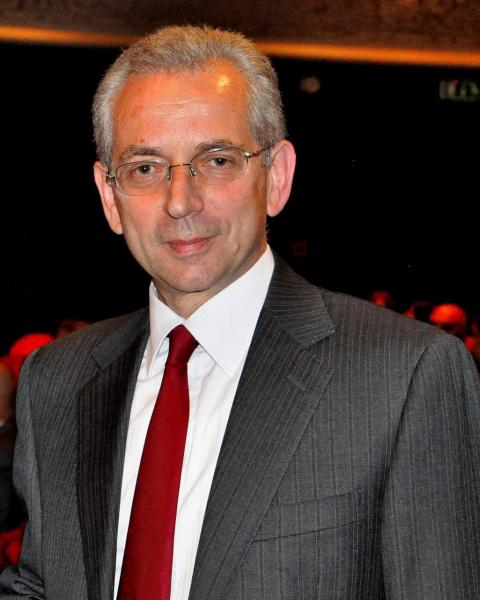

السيرة الذاتية عنه:
يانيس فيكاس هو مؤسس ورئيس أكاديمية فارسالا.
وهو صحفي في الاتحاد الدولي للصحفيين وكتّاب السياحة (F.I.J.E.T).
شغل منصب مدير العلوم الإنسانية في كلية BCA من عام 2020 إلى 2023، كما عمل مديرًا للعلاقات المؤسسية والتعليم التعاوني في كلية نيويورك، وأستاذًا للفلسفة في جامعة ولاية نيويورك/كلية إمباير ستيت خلال الفترة من 2012 إلى 2019، ومديرًا تنفيذيًا لتقنيات التعلم في الكلية الأمريكية في اليونان من 1995 إلى 2011، وأستاذًا زائرًا لفلسفة عصر النهضة في برنامج الماجستير في الفلسفة بجامعة أثينا من 2001 إلى 2008.
يحمل درجة البكالوريوس في علوم الحاسوب من جامعة باتراس، ودرجة الدكتوراه في الفلسفة من جامعة أثينا.
وهو مؤلف لثمانية كتب ذات محتوى فلسفي وأنثروبولوجي.
...............................................
الدكتور يانيس فيكاس يكتب في مقالته البحثية الأكاديمية عن
(التقسيم الثلاثي للفلسفة الرواقية)
تنقسم الفلسفة الرواقية إلى ثلاثة أقسام: الفيزياء، والأخلاق، والمنطق.
-الفيزياء
اعتقد الرواقيون، مثل هيراقليطس وأفلاطون من قبلهم، أن العالم قابل للفناء، وأنه يُدمَّر بعملية الاحتراق الكوني (الإكبيروسيس) ثم يُعاد خلقه من جديد. كما رأوا أن الكون الذي يحيط بنا هو الإله ذاته، وأن البشر جزء من هذا الكون. واعتقدوا أن الإله هو أثير ناري، تنبثق منه أثناء ظهور العالم عناصر النار والهواء والماء والأرض؛ بينما عند عودة الموجودات إلى الإله، تتجمع هذه العناصر بعضها داخل بعض حتى تعود إلى الأثير.
-الأخلاق
آمن الرواقيون بأن النفس جزء من اللوغوس الإلهي، وأن الإنسان يشكّل كيانًا موحدًا مندمجًا في وحدة الكون الشاملة. وقد استندت فكرة الكوزموبوليتانية (المواطنة العالمية) لديهم إلى هذه النظرية، التي تقضي بأن جميع البشر يجب أن يشكّلوا مدينة واحدة موحدة.
كما اعتقدوا أن الجزء العاقل من النفس، أو “الهيجيمونيكون”، هو الذي ينظّم الحياة الأخلاقية للإنسان، وأن الحياة القائمة على الفضيلة تمنح الإنسان السعادة (اليودايمونيا).
وقسموا الفضيلة إلى أربعة أنواع: الشجاعة، والاعتدال، والحكمة، والعدالة.
فالشجاعة تمكّن الإنسان من تحمّل المشاق، والاعتدال يحفظه ضمن حدود التوازن، والحكمة تساعده على حسن الاختيار، والعدالة تمكّنه من إعطاء كل ذي حق حقه. وممارسة الفضيلة تجلب للإنسان الفرح، الناتج عن أداء المسؤوليات على الوجه الصحيح.
ويرى الرواقيون أن الإنسان الذي يرتقي بوعيه إلى مستوى عقلي يستطيع القضاء على التوترات الانفعالية التي تعيق تحقيق السعادة، مما يحرّره من الأهواء مثل الحزن، واللذة، والخوف، والرغبة، ويمنحه القدرة على ضبط النفس والسيطرة عليها.
-المنطق
اعتقد الرواقيون أن الأشياء تُطبع في النفس من خلال الحواس. وعندما تتدخل عملية التأمل وتصبح النفس نشطة، تُسمّى صورة الشيء “تمثّلًا”. ويؤدي تراكب الانطباعات في النفس إلى تكوّن تمثّلات عامة، ومن هذه التمثّلات تنشأ المفاهيم.
ويرى الرواقيون أن جميع التمثّلات حقيقية، بينما تنشأ الأخطاء من الآراء التي يكوّنها الإنسان حول هذه التمثّلات. كما أن التوافق التدريجي بين طبيعة الإنسان وطبيعة العالم يقود الإنسان إلى المعرفة.
...............
Translation for English to Arabic : Fadwa Attia
-Yannis Fikas
Biography:
Yannis Fikas is Founder and
President of the Academy of Farsala.
He is Journalist of F.I.J.E.T., Fédération Internationale des Journalistes et Ecrivains du Tourisme.
He was Director of Humanities at BCA College from 2020 to 2023, Director of Corporate Relations & Cooperative Education at New York College and Professor of Philosophy at the State University of New York/ Empire State College from 2012 to 2019, Executive Director for Learning Technologies at the American College of Greece from 1995 to 2011 and a visiting Professor of Renaissance Philosophy in the Master Programme in Philosophy of the University of Athens from 2001 to 2008.
He holds a bachelor’s degree in Computer Science from the University of Patras and a Ph.D. in Philosophy from the University of Athens.
He is the author of eight books with philosophical and anthropological content.
........................................
Dr Yannis Fikas writes in his academic research article about “the threefold division of Stoic Philosophy.”
-The threefold division of theStoic Philosophy.
The Stoic Philosophy is divided into three parts: Physics, Ethics and Logic.
-Physics
The Stoics believed, like Heraclitus and Plato before, that the world is perishable and that is destroyed with ekpyrosis (conflagration) and is regenerated anew. They also argued that the universe that surrounds us is the god and that humans are part of the universe. They thought that god is fiery aether, from which, during the manifestation of the world, spring the elements of fire, air, water and earth; whereas, during the return of beings to god, the elements are aggregated the one within the other
until returning to aether.
-Ethics
The Stoics believed that the soul is part of the divine logos and that humankind is a unified whole integrated in the universal unity.
The Stoic cosmopolitanism was based on this theory which declared that all humans should constitute a unified city. Moreover, they believed that the rational part of the soul, the hegemonikon, regulates the moral life of humans and that life led by virtue provides humans with eudaimonia.
According to the Stoics, virtue is divided into four types: courage, temperance, wisdom and justice. Courage helps humans to endure hardships, temperance to stay within the limits of moderation, prudence to rightly choose and justice to administer what is fair. Exercising virtue brings joy to humans, which comes from the right execution of responsibility.
For the Stoics the human being who elevates his consciousness to a mental level manages to annihilate the emotional tension that obstructs eudaimonia. This attitude towards life liberates humans from passions such as sorrow, pleasure, fear, desire and helps them obtain self-restraint and self-control.
-Logic
The Stoics believed that through senses the objects are imprinted on the soul. However, when introspection intervenes and the soul is active, the image of the object is called representation. The combination of impressions that are imprinted onto the soul leads to general representations and the general representations lead to concepts.
According to the Stoics, all representations are real while mistakes come from the opinions that humans form about representations. The gradual attunement of human nature to world nature leads humans to knowledge.










 اليوم.. استئناف سيدتين على حكم حبسهما في ممارسة الأعمال المنافية للآداب بمدينة...
 إخلاء سبيل فتاة البيرة بكفالة على خلفية التعدي على سائق...
 وفاة شقيقين في حادث تصادم بالفيوم والفرح تحوّل إلى مأتم
 تأجيل محاكمة 139 متهمًا في قضية «الهيكل الإداري للإخوان بالتجمع» لـ8 نوفمبر
 سعر الذهب اليوم في مصر الاثنين 14 سبتمبر 2026.. عيار 21 يسجل...
 سعر الدولار اليوم الاثنين 14 سبتمبر 2026 فى مصر
 أسعار العملات الأجنبية اليوم الجمعة فى مواجهة الجنيه المصري
 أسعار الذهب في مصر اليوم الجمعة 11 سبتمبر.. عيار 21 بكام؟